The good news is that, with early detection and consistent care, you can protect your sight for years to come. […]
What Causes Glaucoma and How to Manage It



The good news is that, with early detection and consistent care, you can protect your sight for years to come. […]
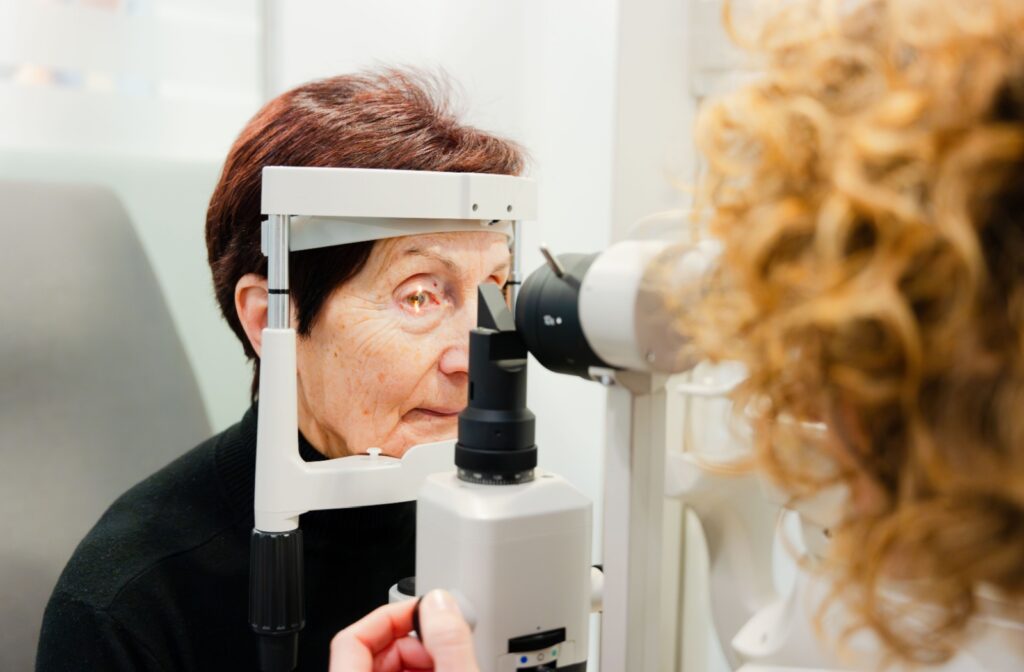
The most common cataract symptoms are cloudy or blurry vision, seeing colours as faded, and experiencing glare or halos around lights. […]

Pink eye germs can live anywhere from a few hours to up to two weeks on surfaces, depending on whether the infection is viral or bacterial, the type of surface, and environmental conditions. […]
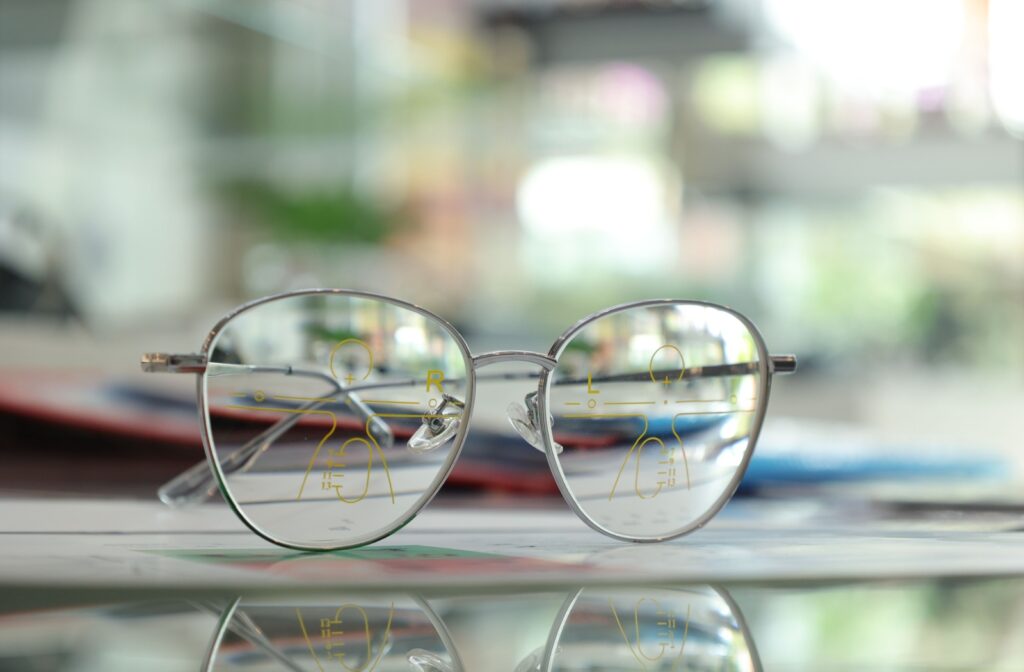
Progressive eyeglasses are multifocal lenses designed to help people see clearly at varying distances without the need to switch between multiple pairs of glasses. […]

Toric lenses are the most common choice, but they’re not the only option. […]
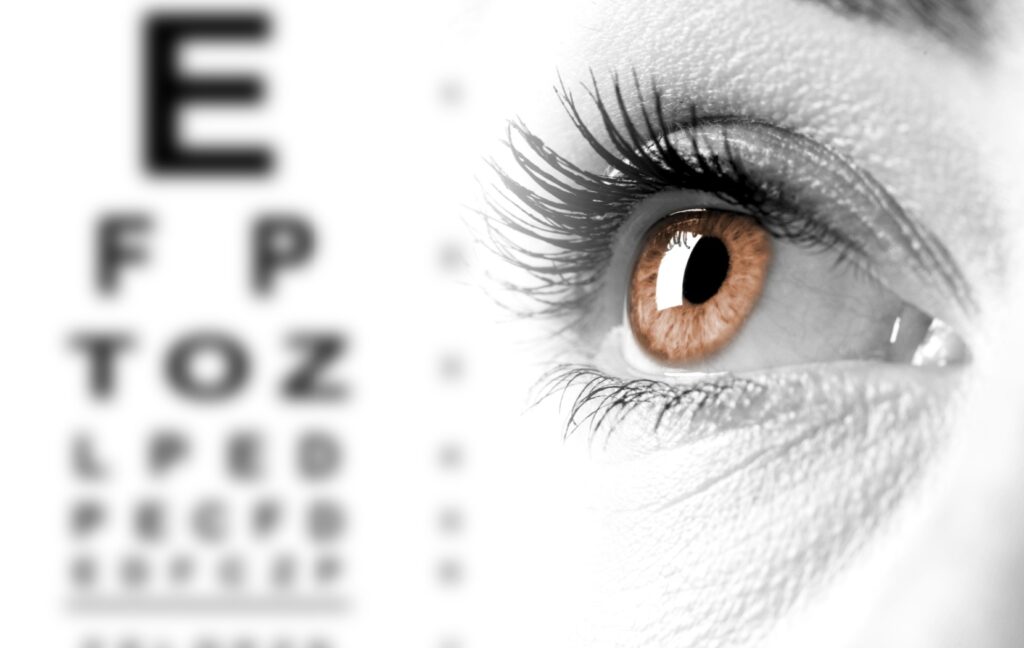
If you have myopia, you’ll find that close-up objects are clear, but distant ones appear blurry. Conversely, hyperopia makes it easy to see objects far away, while close-up vision becomes challenging. […]
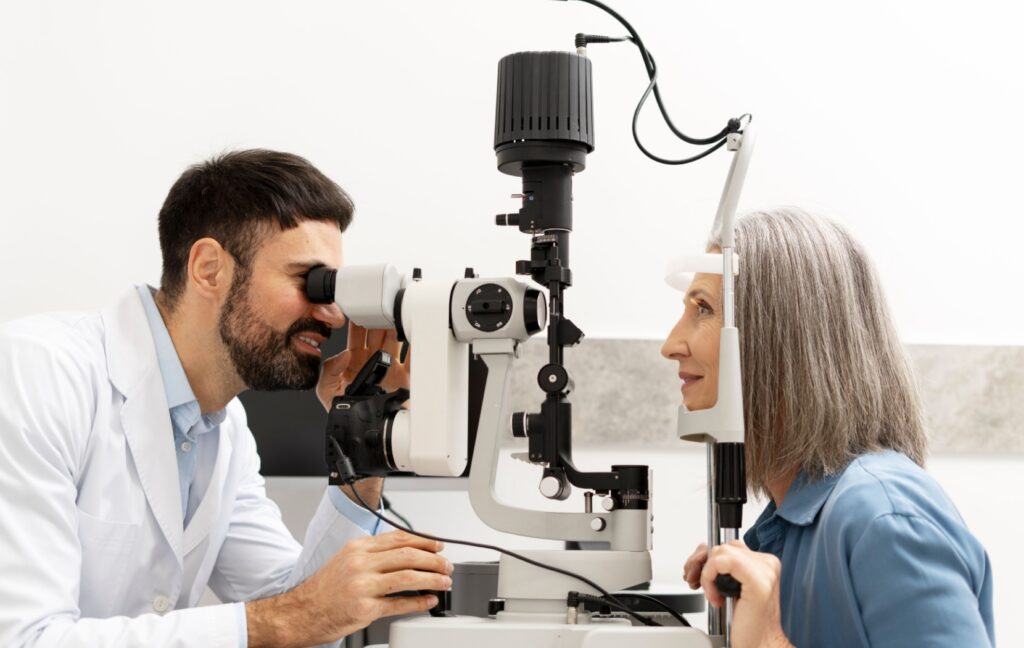
The frequency depends on several factors, including your age, overall health, and existing eye conditions. We recommend annual eye exams for most children, adolescents, and adults. However, if you wear corrective lenses, have a family history of eye disease, or manage conditions like diabetes, more frequent visits may be necessary. […]

The human eye is sensitive, and all sorts of underlying factors can affect astigmatism. Some common culprits include age-related changes, injuries, or conditions like keratoconus. […]

During an eye exam, your optometrist can check your vision to find out what’s causing your sudden increase in floaters. One potential underlying cause is high blood pressure, which damages delicate blood vessels and makes floaters more noticeable. […]

The average person blinks between 15-20 times per minute, which adds up to roughly 20,000 blinks in a single day. […]
Insight Eyecare - Doctors of Optometry