
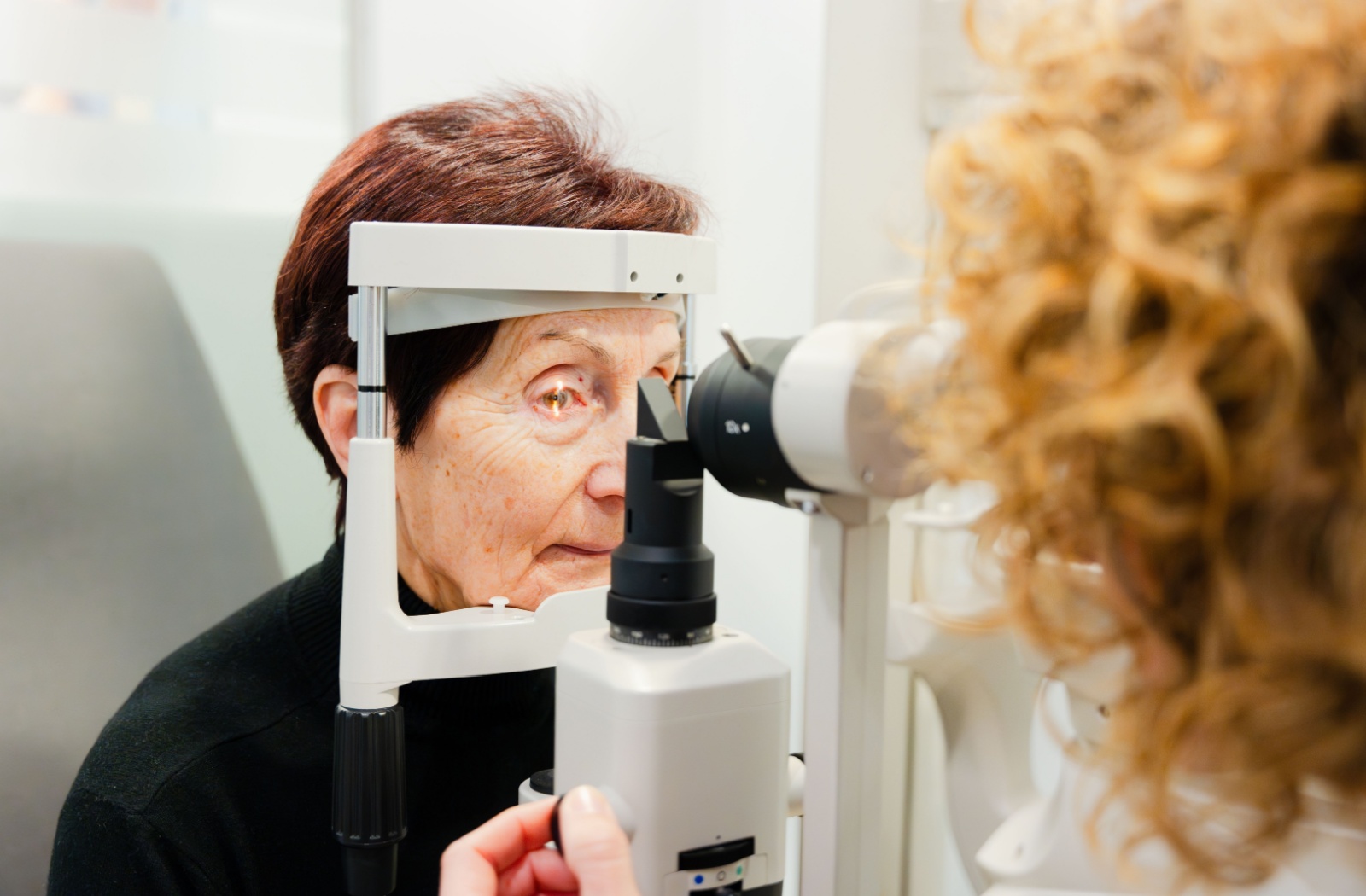
You might notice small changes in your vision that you dismiss at first, like needing a little more light to read. But these subtle shifts could also be the early signs of cataracts. A cataract is a clouding of the lens in your eye, almost like looking through a foggy window.
The most common cataract symptoms are cloudy or blurry vision, seeing colours as faded, and experiencing glare or halos around lights. These changes happen slowly, which can make them hard to notice right away. At Insight Eyecare, we can help identify cataracts during a routine eye exam, often before your vision is significantly affected.
Early Signs & Common Symptoms of Cataracts
Because cataracts often develop slowly, you may not realize at first that your vision is changing. However, as cataracts progress, they tend to cause more distinct symptoms. You might notice one or more of the following signs:
- Cloudy or blurry vision
- Colours that look faded or yellowish
- Seeing halos or glare around lights, especially at night
- Trouble with night vision
- Double vision in one of your eyes
- Frequent changes to your glasses or contact lens prescription
What Causes Cataracts & Who Is at Risk?
Understanding what contributes to cataract formation can help you know what to look for in your own eye health. The primary contributor is age, but other factors can play a part in their development.
Age Is the Main Factor
As you get older, the proteins in the lenses of your eyes can start to break down and clump together. This clumping is what creates the cloudy areas that become cataracts. For most people, this process usually begins after age 40.
Other Health & Lifestyle Factors
Certain factors can increase the chances of developing cataracts sooner. These include previous eye injuries, long-term sun exposure without proper eye protection, smoking, and some health conditions like diabetes.
How Cataracts Can Change Your Vision
The symptoms you experience often depend on the type and size of the cataract. At first, the changes might be minor, but they may become more obvious as the cataract progresses and covers more of your lens.
How Your Eyes Might Feel
A common question is whether cataracts are painful. The condition itself doesn’t cause pain. However, the vision changes involved might lead to eye strain or headaches as your eyes work harder to focus through the cloudy lens.
What Could Be Mistaken for Cataracts
Blurry vision or sensitivity to glare can also be symptoms of other eye conditions, like macular degeneration. It’s important not to self-diagnose based on symptoms alone. Only a complete eye exam can determine the exact cause of your vision problems.

The 3 Stages of Cataract Development
Cataracts progress over time, and eye doctors often talk about them in stages based on how much they affect your vision. These stages help describe how advanced the condition is.
- Early Stage: You may have very few symptoms and may only notice slight blurriness. Your prescription for glasses might change.
- Immature Stage: The cloudiness becomes more significant, and it starts to interfere with your vision more noticeably.
Mature Stage: The lens of your eye becomes very cloudy or opaque, causing a major decrease in vision that affects your daily life. At this point, surgical treatment is often discussed to restore clear sight.
When to Schedule an Eye Exam
If you notice any changes in your vision, no matter how small, it’s a good idea to book an appointment for an eye exam. Regular check-ups are key to catching cataracts and other eye health issues early.
If you are experiencing blurry vision or other symptoms, our team at Insight Eyecare can perform a comprehensive eye health assessment and discuss your next steps. Schedule an appointment with us to get a clear picture of your eye health.