


Glaucoma is a condition that affects the optic nerve in your eye. It develops slowly, and it often progresses without any early symptoms. If unmanaged, glaucoma can lead to permanent vision loss, often before you even notice a problem.
The good news is that, with early detection and consistent care, you can protect your sight for years to come. Regular eye exams are an important part of early detection, as they allow your optometrist to detect glaucoma before it can damage your vision.
What Causes Damage to Your Optic Nerve?
Think of your eye like a small sink; it constantly produces fluid that needs to drain properly to maintain healthy pressure. When this fluid builds up, the pressure inside your eye increases. Over time, high pressure can damage the optic nerve, the connection between your eyes and your brain.
The Main Types of Glaucoma
- Open-Angle Glaucoma: This is the most common type. It involves the eye’s drainage system becoming less efficient over time, which causes a gradual and painless pressure increase.
- Angle-Closure Glaucoma: This type of glaucoma happens when the drainage angle gets blocked. This blockage can cause a sudden and sharp rise in eye pressure. Angle-closure glaucoma can progress quickly and should be considered a medical emergency.
Spot the Early Signs & Symptoms
Many forms of glaucoma have no warning signs in their early stages, which is why it’s sometimes called the “silent thief of sight.” However, as the condition progresses, you might start to notice signs of glaucoma, which often involve changes in your side vision and may include:
- Patchy blind spots in your side vision
- Difficulty with peripheral vision
- Tunnel vision in more advanced stages
Sudden Symptoms That Need Quick Attention
If you experience any of the following symptoms, they could be signalling an eye health emergency that requires immediate attention:
- Severe eye pain or a bad headache
- Nausea and vomiting
- Blurred vision
- Halos or rainbow-coloured rings around lights
- Redness in the eye
Know Your Risk Factors for Glaucoma
Anyone can develop glaucoma, but certain factors can increase your risk. Here are some of the major ones:
- Age: People over 40 have a higher risk, as glaucoma is one of several chronic health conditions that become more common with age.
- Family History: Your risk increases if a close relative has glaucoma.
- Medical Conditions: A history of diabetes, high blood pressure, or poor circulation all increase your risk.
- Eye Health: This includes previous eye injury or corneas that are thin in the centre.
- Heritage: People of African, Hispanic, or Asian descent have a higher risk.
How an Eye Doctor Diagnoses Glaucoma
The only way to detect glaucoma early is through a comprehensive eye exam. As your optometrist in South Surrey & White Rock, we can test your eyes for signs of the disease.
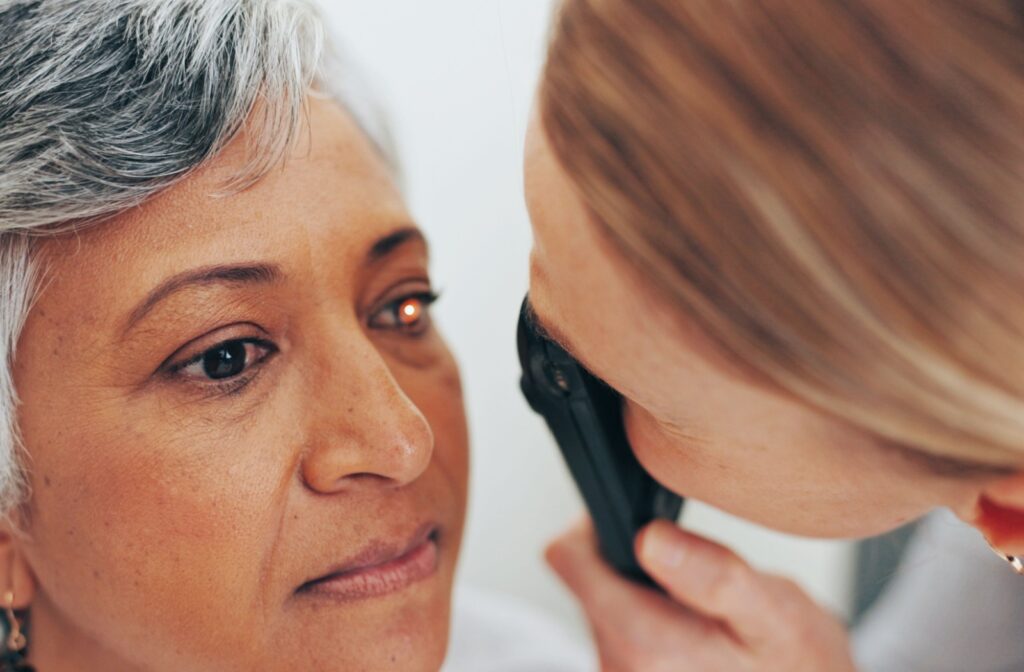
During your eye exam, your eye doctor can:
- Measure your internal eye pressure
- Inspect your eye’s drainage angle
- Examine your optic nerve for damage
- Test your peripheral (side) vision
Your Options for Glaucoma Management & Care
While vision loss from glaucoma cannot be reversed, treatment can help slow its progress and prevent further damage. An eye disease management plan is a team effort between you and your eye doctor that focuses on controlling eye pressure through regular monitoring and diagnostic tests.
Prescription Eye Drops
Medicated eye drops are often the first step in managing glaucoma. These drops help lower the pressure in your eye by either reducing fluid production or helping the fluid drain better.
Laser Procedures
These procedures can help improve how fluid drains from your eye. They can be performed in the office to help control eye pressure effectively.
Surgical Options
If eye drops or laser treatments aren’t effective, a surgical procedure may be recommended in order to create a new drainage channel for the fluid in your eyes.
Protect Your Vision
Because glaucoma often starts without you noticing, regular comprehensive eye exams are an effective way to detect the condition early. A routine visit to Insight Eyecare, your optometrist in South Surrey & White Rock, can help you stay on top of your eye health, so book your appointment today.