
Key Takeaways
- Myopia causes blurry distance vision because the eyeball grows too long from front to back.
- Natural outdoor light helps regulate eye growth in children.
- Around one to two hours of outdoor time daily can make a meaningful difference.
- Squinting, sitting too close to screens, or struggling to see at a distance are signs worth paying attention to.
- Routine eye exams and early detection can give children a strong chance of managing myopia.
Your child squints at the whiteboard across the classroom. They move closer to the TV, then closer again. You chalk it up to a bad seat or a tired evening, but what you might actually be seeing is the early signs of myopia.
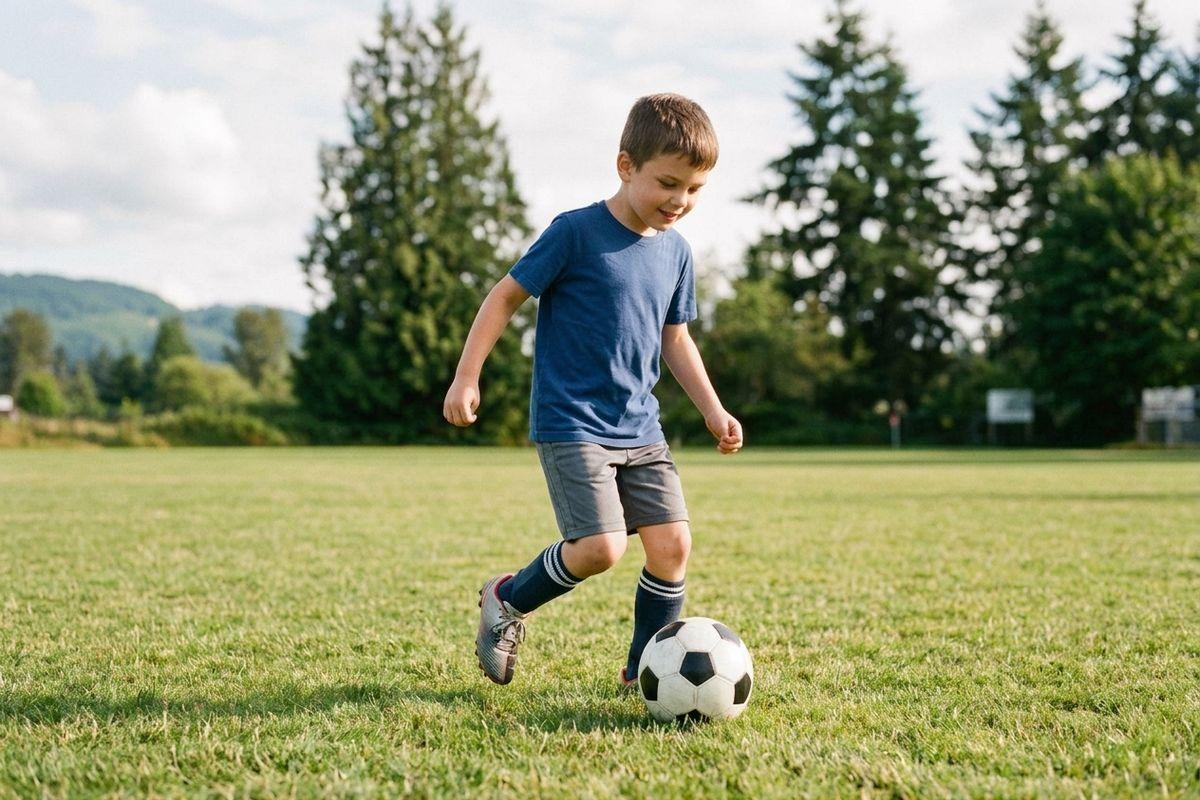
Yes, spending time outside can help slow myopia progression in children, and the research behind it is worth knowing. It’s not a fix on its own, but outdoor time is one of the most practical and accessible habits you can build into a child’s day to support their long-term eye health. Insight Eyecare works with families across South Surrey and White Rock to monitor children’s vision and put the right care plans in place. If you’re curious about where your child’s eyes stand, a children’s eye exam is a great place to start.
What Myopia Actually Does to Your Vision
Myopia, commonly called nearsightedness, means that close objects typically remain clear while distant objects become blurry. The cause comes down to shape. When the eyeball grows slightly too long from front to back, light focuses just in front of the retina instead of directly on it, and that’s what creates the blur.
Genes can also play a role. If you have myopia, your child has a higher chance of developing it too. But genetics don’t tell the whole story. How children spend their time, particularly how much of it they spend indoors, also matters. A 2023 projection estimates that myopia will affect around 4.9 billion people globally by 2050, a number that reflects just how much lifestyle factors have shifted over generations.
Why Outdoor Time Makes a Difference
The Role of Natural Light
Outdoor light is significantly brighter than anything inside your home or school. That brightness isn’t just comfortable; it actually helps signal the eye to regulate its growth more carefully. Dim indoor lighting doesn’t provide the same signal, which may contribute to the eye continuing to grow in ways associated with myopia.
This is part of why myopia rates have climbed in recent decades, particularly among children who spend more time inside than previous generations did. Research shows that bright light exposure is one of the strongest protective factors against myopia development in children.
Looking Into the Distance Matters
Outside, your child’s eyes naturally shift focus across a wide range of distances, from nearby grass to a friend down the street to clouds in the sky. That variety gives the focusing muscles a real workout.
Screens and books keep the eyes locked in at close range for long stretches. There’s nothing wrong with reading, but when that’s the primary visual experience for hours a day, the eyes don’t get much practice focusing far away. Outdoor time helps balance that out.
How Much Outdoor Time Can Help
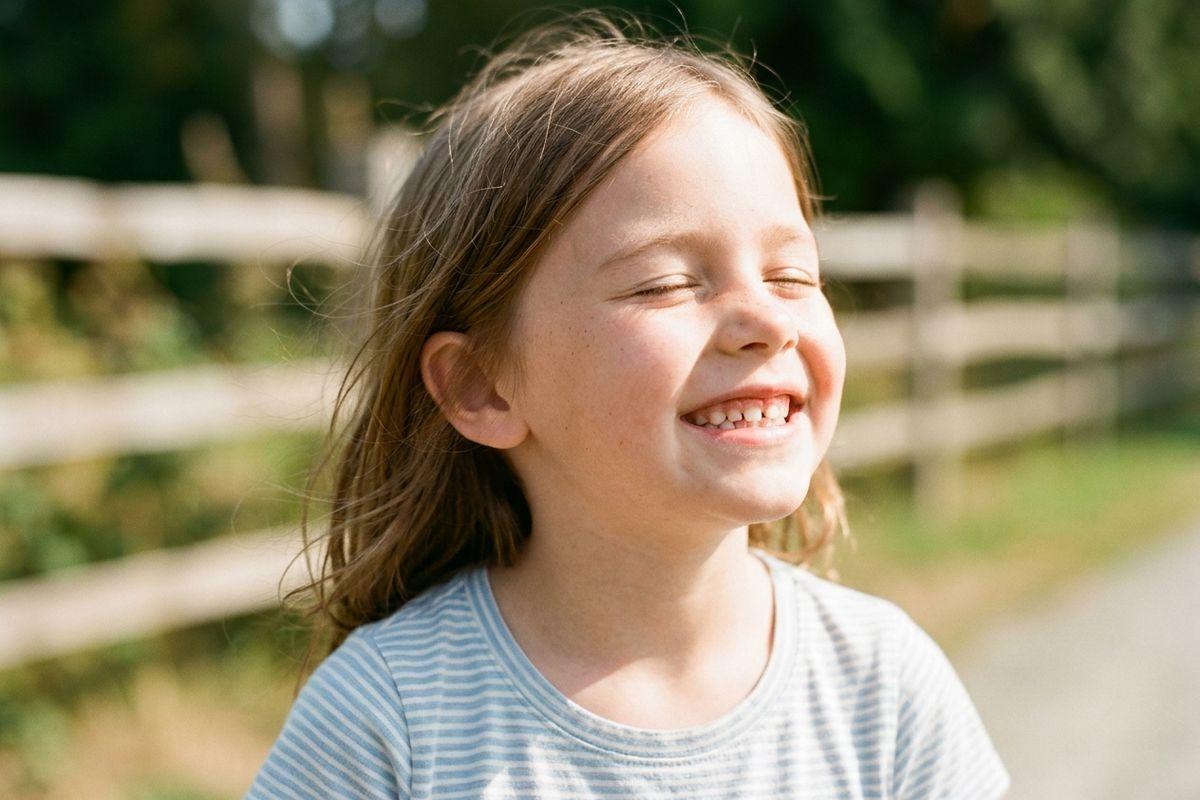
Around one to two hours of outdoor time each day can show a meaningful impact on myopia progression in children. More time generally brings greater benefit, and consistency over weeks and months matters far more than one long outdoor afternoon every now and then.
This doesn’t have to be structured. A walk to school, time at the park, or playing in the backyard all count. The goal is regular exposure to natural light and the chance to look into the distance, not a specific activity.
Signs Your Child’s Vision May Need Attention
Myopia often develops gradually, so the early signs can be easy to miss. Watch for these changes in your child’s behaviour:
- Squinting frequently or sitting unusually close to screens and the TV.
- Trouble identifying objects, signs, or faces at a distance.
- Tilting their head or covering one eye to see more clearly.
If you notice any of these, it’s worth booking an eye exam. Catching changes early gives the eye doctor more options and more time to put a care plan in place.
How an Optometrist in South Surrey and White Rock Can Help
Routine Eye Exams for Children
Eye exams for children are recommended far earlier than most parents expect. The first exam is suggested between 6 and 9 months of age. After that, annual comprehensive eye exams are recommended throughout childhood to monitor healthy vision development and catch any changes early, before they become harder to manage. A comprehensive eye exam covers much more than just reading a chart. It includes a full assessment of how the eyes are growing, focusing, and functioning together.
Myopia Management Options
When myopia is caught early, there’s more room to work with. An optometrist in South Surrey and White Rock can identify how quickly myopia is progressing and discuss options that fit your child’s specific situation.
Every child is different, and care plans reflect that. If you’re wondering whether specialty lenses might be part of the picture, this overview of myopia control lenses explains how they work and what they’re designed to do.
We Can Help
Insight Eyecare works with families to monitor vision over time and explore the right next steps for each child. If you have questions about your child’s eyes or want to book an exam, reaching out to our team is a good place to start.