


Distance vision tends to change quietly. Kids adapt to it without saying much, and adults often blame fuzzy road signs on a long day at work.
That’s why plenty of families first hear the word myopia at a comprehensive eye exam instead of noticing it at home. Myopia doesn’t reverse on its own, though daily time outdoors, breaks from near work, and regular eye exams for kids can help protect vision and may slow how quickly a prescription changes.
What Myopia Means for Your Eyes
With myopia, also called nearsightedness, close-up things stay sharp while anything at a distance looks blurry. You can read a book in your hands without trouble, while the score on the arena screen turns fuzzy.
It usually starts in childhood, and prescriptions often change fastest during growth years. Progression tends to slow in the late teens or early 20s, and that timeline varies from one kid to the next.
Tracking those changes matters. Higher amounts of myopia have been linked to eye health risks later in life, so an updated prescription is only part of the picture.
Signs to Watch For in Kids
Children rarely announce that their vision is blurry. Their eyesight is the only version they’ve known, so they adjust instead. Watch for a few of these:
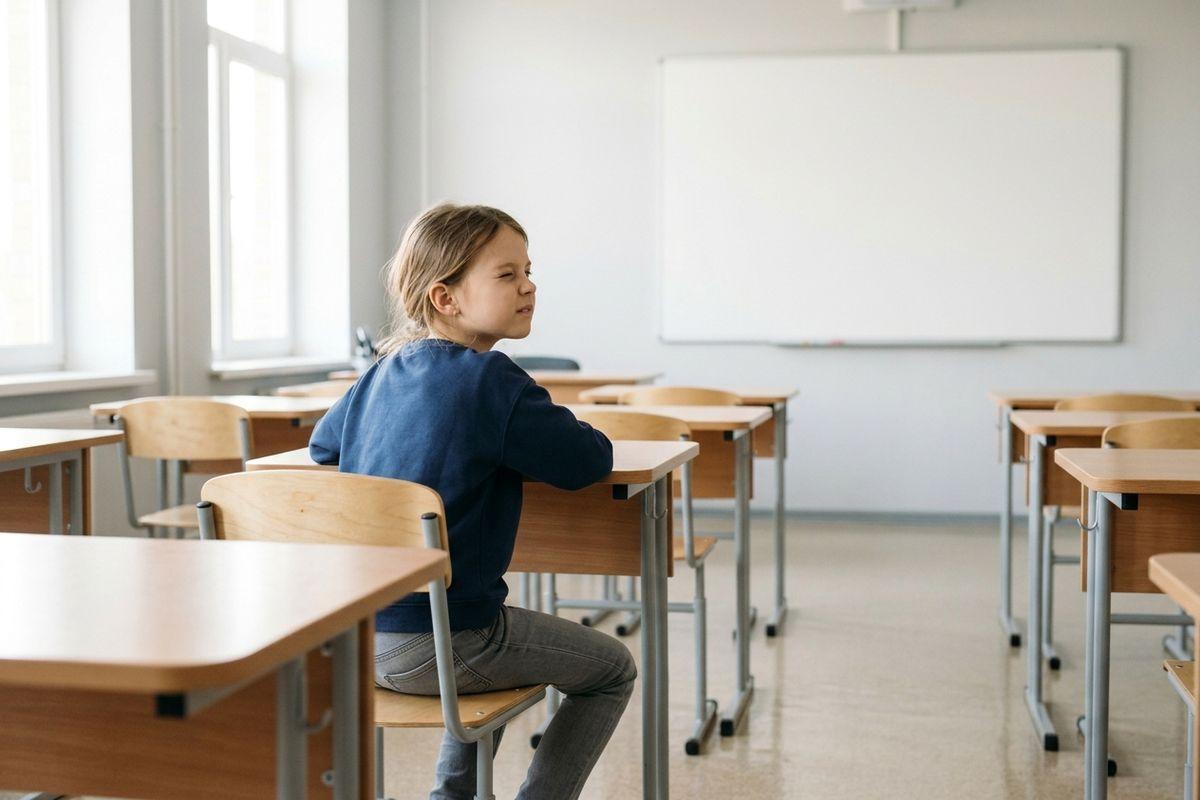
- Squinting at the classroom board or the TV
- Sitting very close to screens
- Rubbing their eyes often
- Headaches after school or homework
- Losing their place while reading
Teachers often notice before parents do. If one mentions that your child keeps moving closer to the board, book an exam and find out what’s behind it.
Daily Habits That Can Help Protect Vision
Time outdoors in natural light is one of the simplest habits to build. Aim for roughly 90 minutes a day when the schedule allows, whether that’s a walk to school or an hour at the park after dinner.
Give your eyes a break during reading and screen time with the 20-20-20 rule. Every 20 minutes, look at something about 20 feet away for 20 seconds. Set a timer if that helps the habit stick.
Distance matters too. Hold books and tablets about an arm’s length away, and keep screens at eye level so nobody’s hunched over a laptop at the kitchen table.
Screen Time and Near Work at Home
Long stretches of near work add up quickly between homework, tablets, and gaming. Break long stretches of near work into shorter blocks with movement in between, which can also ease digital eye strain.
Lighting helps as well. Set up a well-lit desk and a chair that lets your child’s feet reach the floor, and sitting back from the page gets a lot easier. And be extra diligent in the evenings. Reading in dim light often makes you hold the page closer, which adds to the near work already stacked up during the day.
Can Myopia Be Improved Naturally?
Habits may slow how much a prescription changes, though they can’t undo myopia that’s already there. Knowing that keeps the focus on what can make a difference.
Glasses and contact lenses correct distance vision so the world looks clear again. Adults may also consider laser eye surgery once a prescription has held steady for a while. Food plays a supporting role. Vegetables, fish, and fruit can contribute to general eye health alongside whatever correction you’re using.
Myopia Control Options Your Optometrist May Discuss
Regular glasses sharpen distance vision but do little to slow progression. A few other approaches are designed to slow myopia in kids:
- Low-dose atropine eye drops used at bedtime
- Myopia control lenses in glasses, often suited to younger kids
- Soft myopia control contact lenses
- Orthokeratology, sometimes called ortho-k
Age, current prescription, daily routine, and family history all affect any recommendation. A 10-year-old who plays soccer 4 days a week may do better with something different than a teen who reads for hours.
Some options need a nightly routine at home, others take a few weeks of getting used to, and your optometrist can walk you through what each one asks of your family.
Take the Next Step for Your Family’s Vision
Regular eye exams track eye growth over months and years, which gives you a clear picture of what’s changing. Starting early often means more options are on the table. Our team at Insight Eyecare can walk your whole family through habits that fit real schedules, not ideal ones.
Build in the outdoor time, keep near work from running long, and let us watch what’s changing from one year to the next. Book an eye exam and get answers about your family’s vision.