
If you need glasses to see clearly, you understand the small day-to-day challenges that come with wearing frames. They can fog up when you come inside from the cold, get splattered by rain, or slip down your nose. At Insight Eyecare, we want you to know that if you dislike wearing frames, there are other options to help you see the world clearly.
Contact lenses work by resting directly on the surface of your eye, bending light so that it focuses correctly on the retina at the back of your eye. If you’ve been curious about trying contact lenses, it’s important to get a proper contact lens exam.
How Contacts Correct Your Vision
The Science Behind the Lens
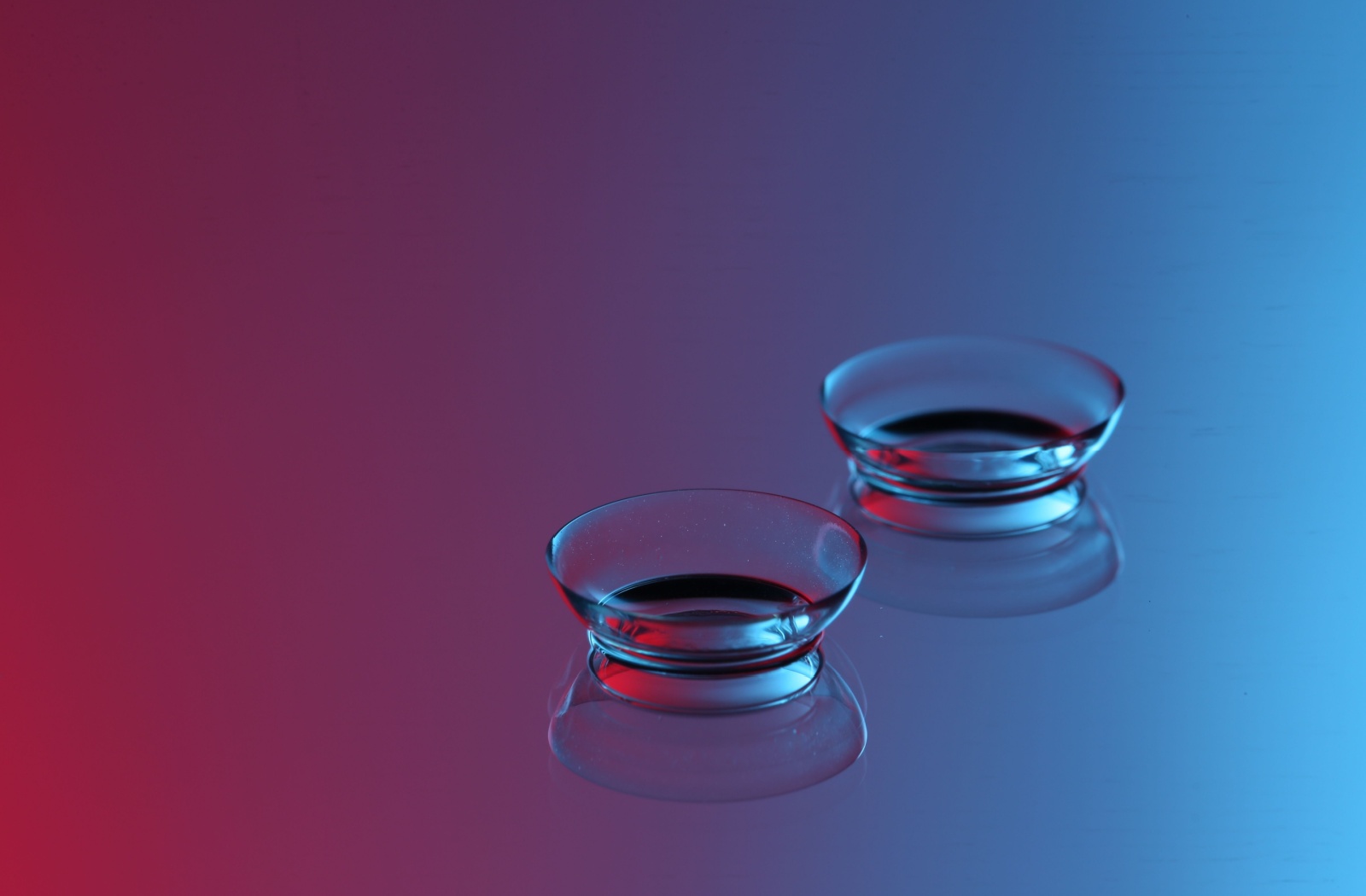
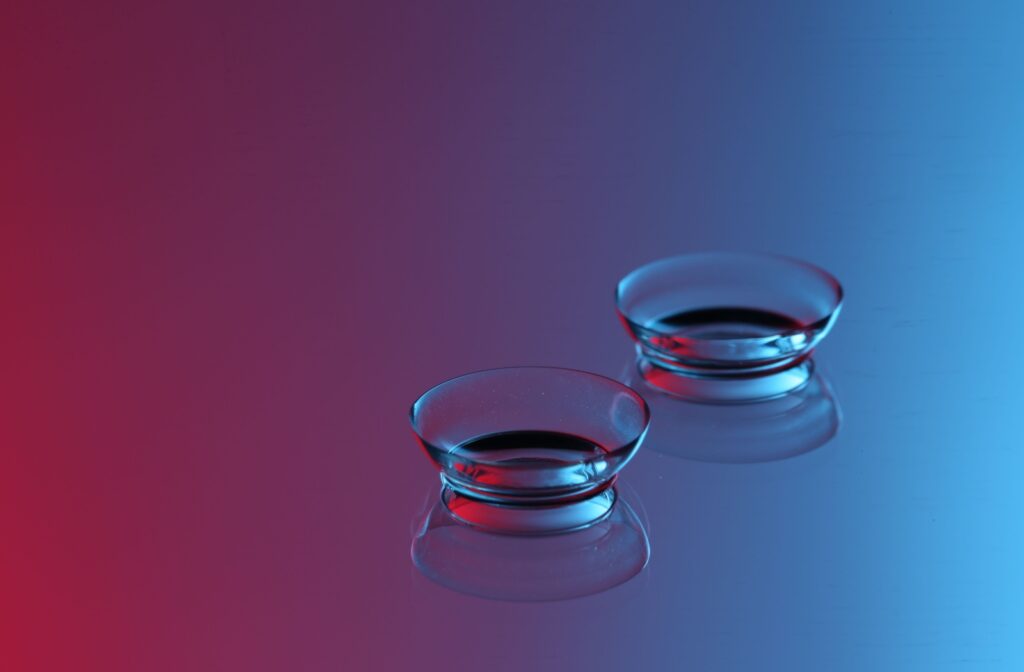
Contact lenses are tiny, precisely curved tools that sit directly on the surface of your eye. Their main job is to bend and redirect light before it enters your eye, which helps fix refractive errors like nearsightedness or farsightedness.
When light is focused correctly on the retina (the light-sensitive tissue at the back of your eye), you see a sharp, clear image. But with refractive errors, light lands on the wrong part of the retina, which means that the picture you see is slightly blurry. Contact lenses are shaped specifically to correct how light enters your eye so that it hits the right spot, helping you see a sharp image.
How They Differ from Glasses
Because contact lenses sit directly on your eyes, they provide a wider field of view without frames getting in the way. Some people even forget that they’re wearing contact lenses during the day, especially during activities that require a lot of movement, because there’s nothing on their face to distract them.
Contacts are also unaffected by weather conditions like rain or fog that can obstruct your view with glasses. This makes them a convenient choice for sports and other outdoor activities where clear peripheral (side) vision is helpful.
Types of Contact Lenses and What They Do
Soft Lenses vs. Hard Lenses
Many people wear soft contact lenses. These are made from a flexible, water-containing plastic that allows oxygen to pass through to your cornea (the clear outer layer of your eye), which can make them more comfortable.

Rigid gas-permeable (RGP) lenses (sometimes called hard lenses) are slightly more durable than soft lenses. While they may take a little longer to get used to, they are resistant to deposit buildup and are a good option for certain prescriptions.
Your Lens Replacement Schedule
Contact lenses are designed to be replaced on a specific schedule to keep your eyes healthy. Your options typically include:
- Dailies: You wear these lenses for 1 day and then dispose of them in the trash (never flush your contacts down the toilet or sink). They are convenient because they require no hygiene routine, as you get a new lens every day.
- Bi-weekly: These lenses are replaced every 2 weeks, or as instructed on the packaging.
- Monthly: You can wear these lenses for about 30 days before they need to be replaced.
Our practice offers a wide range of contact lens brands to suit any lifestyle needs and replacement schedule.
Find a Comfortable Fit
Common Reasons for Discomfort
Sometimes, contact lenses can feel uncomfortable. This can happen if the lens disrupts your natural tear film, leading to a feeling of dryness. A poor fit can also limit the flow of oxygen to your eye’s surface.
Environmental factors can play a role, too. Spending long hours in a room with dry air or staring at a digital screen can lead to digital eye strain, making your eyes and your lenses feel less comfortable over time.
Lenses Designed for Modern Life
Lens technology has improved to address these common issues. Many modern contacts are made from materials that retain moisture for longer, which can help you manage dry eye while wearing contacts. Some may even help improve comfort during long periods on the computer or screens.
Our optometrist in South Surrey and White Rock can recommend options that are well-suited for your daily activities, whether you work at a computer or spend a lot of time outdoors.
Proper Care for Your Contact Lenses
Simple Do’s and Don’ts
Healthy eyes depend on clean lenses. Following the proper steps for wear and care can make a big difference in your comfort and eye health. Here are a few things to keep in mind:
- Wash and dry your hands thoroughly before you touch your lenses.
- Don’t reuse your contact lens solution or top off the old solution in your case: Always use fresh solution.
- Replace your contact lens case every 3 months to prevent bacteria or protein buildup.
Handle Common Situations Like Naps and Showers
It’s important to know how to handle your contacts in everyday situations. You should avoid showering or swimming with your contacts in, as tap water can contain microorganisms that may be harmful to your eyes. For the same reason, never use tap water to clean or store your lenses.
Unless you have lenses specifically approved for overnight wear, you should also remove your contacts before napping. This helps your eyes get the oxygen they need to stay comfortable.
How Our Team Can Help
The Importance of a Proper Fit
Your eyes are unique, with their own specific size and curvature. A contact lens is a medical device, so a professional contact lens fitting is important to find the right lens for your eye’s shape. This process helps the lens sit correctly on your eye, which is key for clear vision and comfort.
A proper fit helps you avoid potential issues like discomfort or blurry vision. Your prescription for contacts is also different from your regular glasses prescription, which is why getting a fitting is so key.
Find the Right Lenses for You
During a fitting, you can discuss your lifestyle and vision needs with an eye doctor. This conversation helps narrow down the right type of lens for you, whether you need special contact lenses for astigmatism or tend to have dry eye. You may even be able to trial different lenses to see which ones feel comfortable before you commit.
Schedule Your Contact Lens Exam
The right contact lenses can give you clear, comfortable vision. Our team at Insight Eyecare can help you navigate your options and find a solution that works for you. Schedule a consultation to explore if contact lenses are a good fit for your eyes.