
Key Takeaways
- Eye twitching is usually harmless and linked to lifestyle factors like fatigue, stress, and screen time.
- Simple changes like better sleep, less caffeine, and the 20-20-20 rule can help reduce twitching.
- Preservative-free artificial tears and warm compresses can help with dryness and eyelid irritation.
- See an optometrist if twitching lasts despite home solutions or comes with pain, drooping, or vision changes.
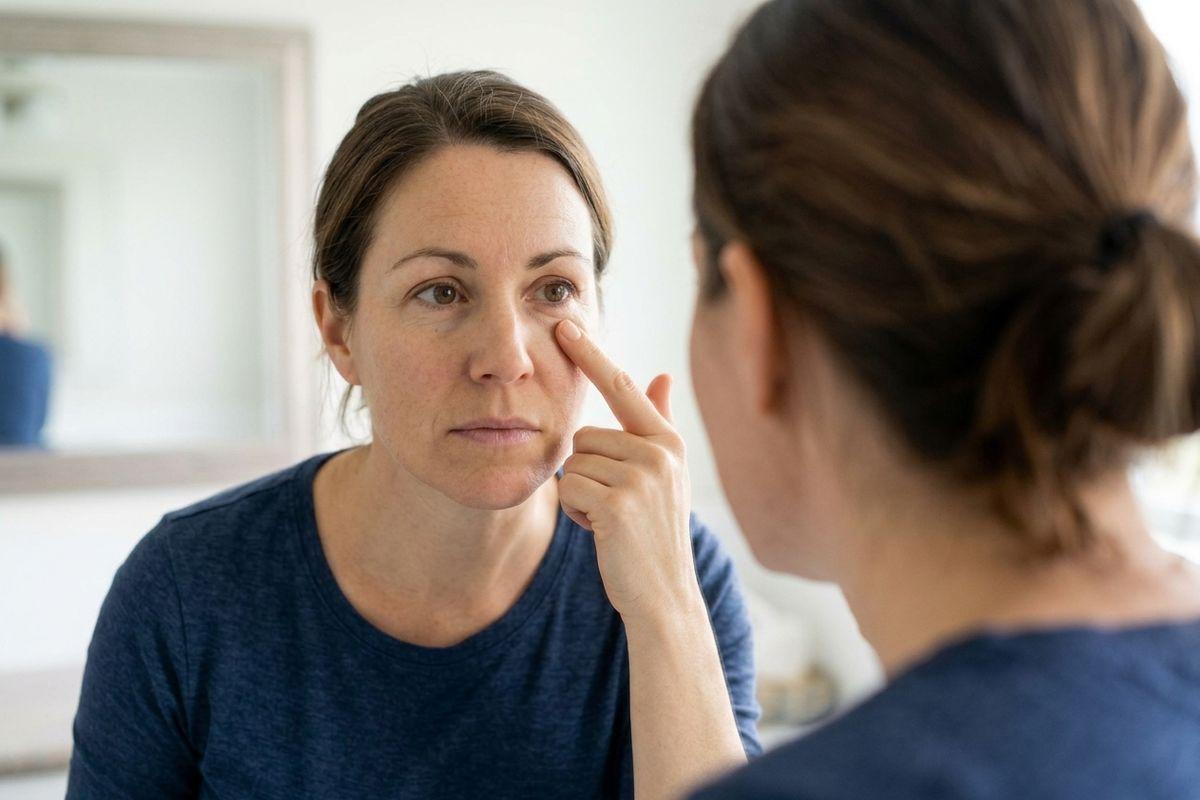
That fluttering feeling in your eyelid often shows up without warning, and once you notice it, it’s hard to ignore. It might last a few minutes, disappear, then come back later in the day. At Insight Eyecare, we know that for many families, this annoyance can get in the way of your day.
Eye twitching is often harmless and typically tied to everyday factors like poor sleep, too much caffeine, stress, or long hours on screens. That said, knowing what’s behind it can help you address it faster and recognize the rare cases when it’s worth a closer look.
What Eye Twitching Actually Is
Eye twitching is an involuntary flutter of the eyelid, which just means that the muscle is contracting on its own. If you’ve experienced it before, you know that blinking or rubbing your eye usually doesn’t stop it.
It can last a few minutes or stick around for hours, and some people notice that it comes and goes over several days. On its own, a brief twitch is rarely a sign of anything serious, but when it keeps returning, it may be worth paying attention to what might be setting it off.
Common Factors Behind the Twitch
Lifestyle Factors
Most eye twitching comes back to the basics of health: Stress and sleep. Fatigue is one of the biggest contributors. When your body is tired, your eyelid muscles can become overactive. Stress has a similar effect, keeping the muscles in a state of low-level tension.
Caffeine is another common factor. It can stimulate the nervous system, and that can show up in your eyelids. Screen time plays a role, too. When you’re focused on a screen, you tend to blink less, which dries out the eye surface. Dry eye and allergy irritation both create the kind of surface discomfort that can be associated with a twitch.
Very Rare Causes
In some cases, twitching isn’t just an occasional annoyance. Benign essential blepharospasm is a rare neurological disorder that involves both eyes and causes more forceful, repeated spasms. It’s not usually painful, but it can be disruptive.
Hemifacial spasms can affect one side of the face and often start near the eye before spreading to other muscles along that side. Both of these are less common and usually require care beyond basic lifestyle changes.
Simple Ways to Ease Eye Twitching
Daily Habits That Help
If your twitch is lifestyle-related, a few small adjustments can make a real difference. It’s often recommended to aim for 7 to 9 hours of sleep each night, as good quality sleep can sometimes settle the twitching.
Try cutting back on caffeine for a few days and notice whether or not the twitching slows down. During screen time, use the 20-20-20 rule to give your eyes a break and improve comfort: Every 20 minutes, look at something 20 feet away for 20 seconds.
Eye Care at Home
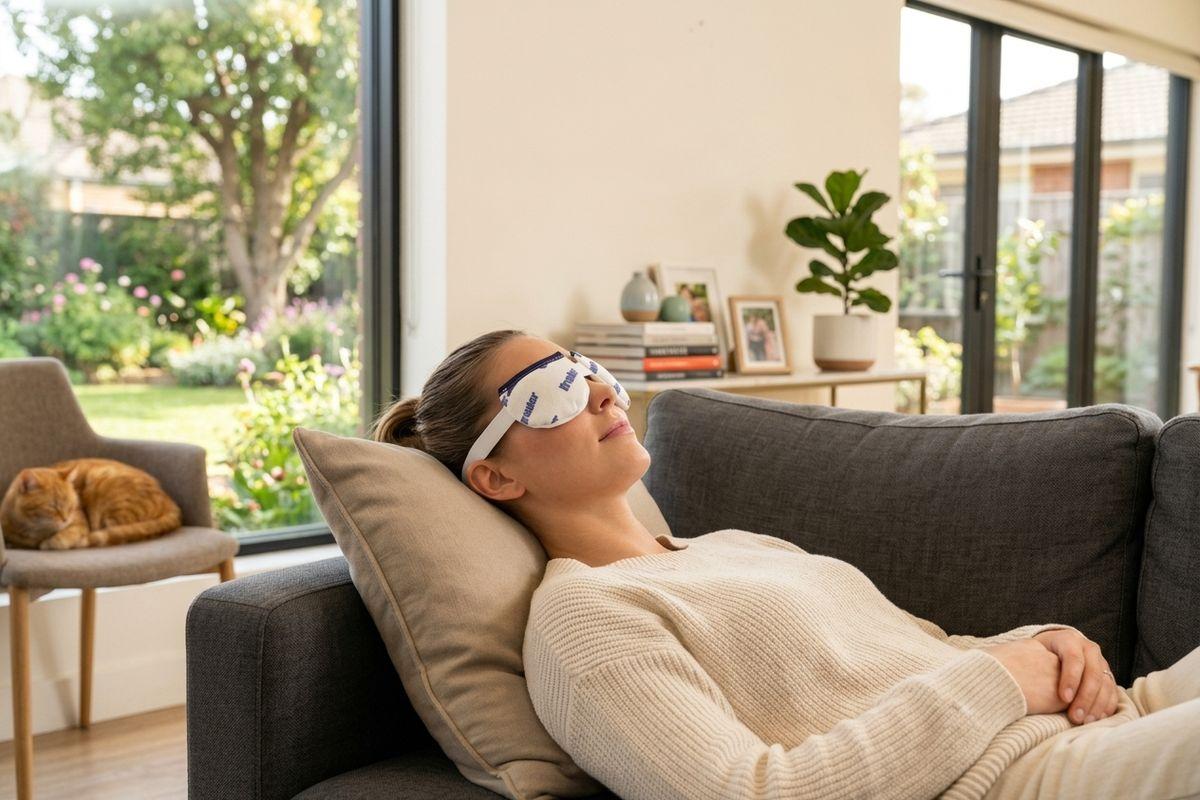
If dryness is part of the problem, preservative-free artificial tears can help lubricate the eye surface without irritating it further. A warm compress held over closed eyelids for a few minutes can also help relax the eyelid muscles and may help with comfort, especially if the twitching is associated with dry eye.
When to See an Optometrist
Most twitches settle on their own with home care, but there are signs that it may be time to have it looked at properly.
If the twitching persists or worsens, or if your eye is closing forcefully rather than just fluttering, that’s worth a professional opinion. The same goes if you notice the spasms spreading to your cheek or other parts of your face. New redness, pain, a drooping eyelid, or any changes to your vision alongside the twitch are all reasons to book an appointment sooner rather than later.
The Value of an Eye Exam
What the Eye Doctor Looks For
An eye exam helps give the eye doctor a clear picture of what’s actually happening. They can check for surface irritation, dry eye, and eyelid inflammation, all of which may contribute to twitching that won’t quit. If you want to know what to expect before you go, a breakdown of what a comprehensive eye exam includes can help you feel prepared.
Possible Next Steps
From there, the steps to relief depend on what the exam uncovers. If the twitching is associated with dry eye, the eye doctor may recommend dry eye therapy. Other cases may benefit from in-office options. Either way, an optometrist in South Surrey and White Rock can help put together a plan that fits your specific situation, rather than guessing at a solution on your own.
Schedule Your Next Visit
If your eye twitch has been lingering or keeps coming back, our team at Insight Eyecare can help you figure out what’s behind it and what to do next. Book an eye exam and start getting some real answers.